When You Feel Like You’re Competing With Their Other Home
A grounded plan for stepping out of comparison and focusing on connection.
A Simple Plan for Stepping Out of the Comparison Trap
Time Needed: Flexible — a few minutes or woven into the weekend
Energy Level: Low
Cost: Free
Best For: Dads who catch themselves comparing experiences between homes
Your kids tell you about something that happened somewhere else.
A trip.
A new game.
A restaurant they loved.
Something fun they did.
And even though you're glad they had a good time, another thought can show up right behind it:
Am I doing enough?
Do I need to come up with something better?
Are they having more fun somewhere else?
It's easy for comparison to turn ordinary time together into something you feel like you have to prove.
But your child's good experience somewhere else doesn't take anything away from the relationship you're building with them.
What This Helps With
Comparison can sneak into the weekend without looking like comparison.
You hear about something exciting and start searching for something to do.
You spend money you weren't planning to spend.
You turn a simple afternoon into a bigger outing.
Or you start asking questions because you're trying to figure out how your time together measures up.
You don't need to pretend those feelings never happen.
You just don't have to let them decide what happens next.
This Blueprint is about noticing the comparison, stepping out of it, and bringing your attention back to the relationship in front of you.
Your time together doesn't need to win to matter.
Anchor Activity: Be Interested Without Competing
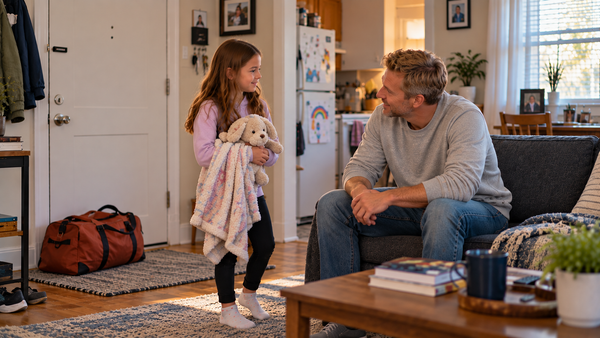
When your kid tells you about something they enjoyed somewhere else, let them enjoy telling you.
If they went on a trip, ask what they liked.
If they got something new, let them show you.
If they tried a restaurant, ask what they ordered.
If they had a great day, let it be a great day.
You don't have to compare it to something you've done together.
You don't have to remind them of another experience.
And you don't need to immediately start planning your answer to it.
You can simply be interested.
Try:
“What was your favorite part?”
“That sounds like you had a good time.”
“Show me.”
“What did you think of it?”
Their enjoyment doesn't require anything from you except the space to share it.
Let your child tell you about their life without making them choose which parts of it they're allowed to enjoy.
Backup Plan: Catch the Comparison Before You Act on It
Sometimes the comparison happens before you realize it.
You hear about something exciting and suddenly you're looking at tickets, restaurants, activities, or things to buy.
Before you change the weekend, ask yourself:
“Would I want to do this if I hadn't just heard about what happened somewhere else?”
If the answer is yes, great.
Maybe it's something you'd genuinely enjoy doing together.
But if the answer is no—or you're not sure—give it a little time.
You don't have to respond immediately.
The weekend you already had planned may still be perfectly good.
You don't need to answer someone else's weekend with one of your own.
Zero-Prep Option: Return to What's Already Working
When comparison starts making your own time together feel smaller, return to something familiar.
Make the breakfast you usually make.
Watch the show you've been watching.
Take the usual drive.
Play the game that's already sitting there.
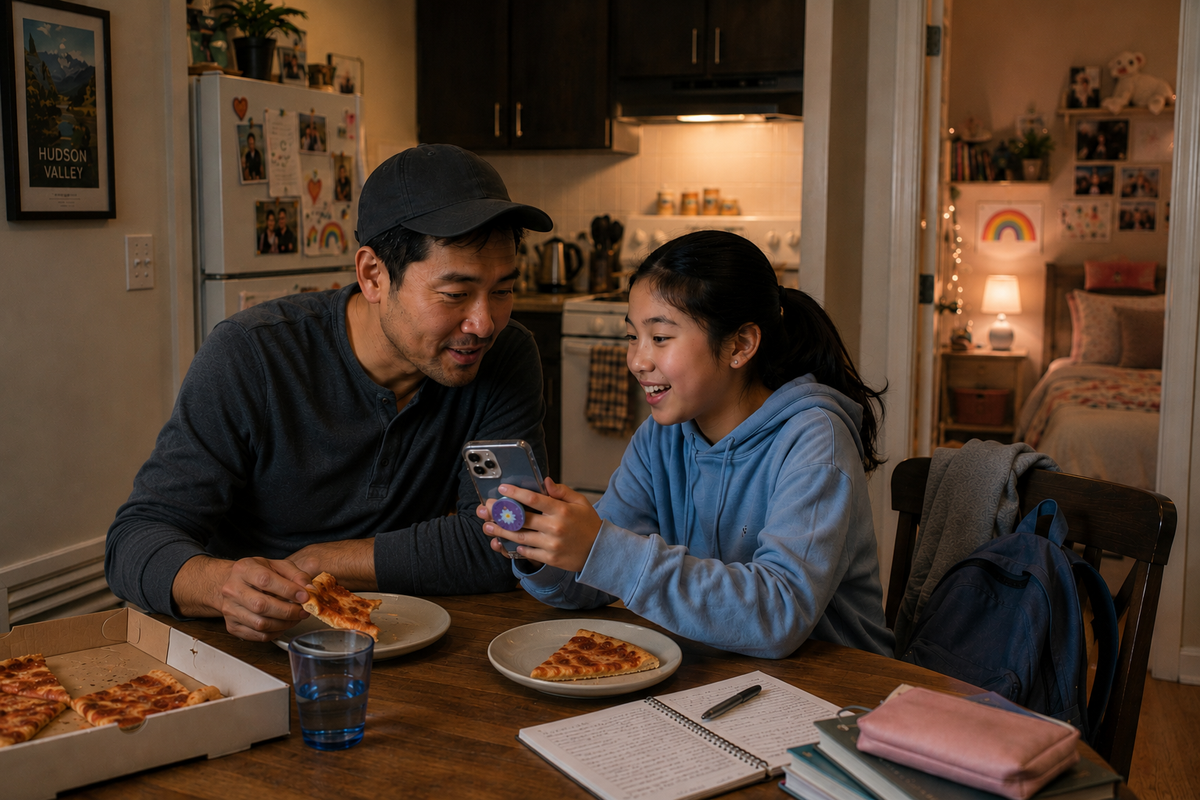
Order the pizza everyone likes.
Sit at the table and let them tell you what's going on.
The point isn't to prove that ordinary time is somehow better than what happens somewhere else.
It's to stop measuring the two against each other.
A big experience can be meaningful.
So can an ordinary evening.
They don't have to compete.
Different doesn't have to mean better or worse.
Reality Note
You may genuinely have different circumstances from another household.
Different schedules.
Different rules.
Different resources.
Different amounts of time.
Different ideas about how to spend it.
You don't have to pretend those differences don't exist.
And noticing them doesn't make you a bad dad.
The important part is what you do with the feeling.
Your kids shouldn't have to reassure you that they had more fun with you.
They shouldn't have to downplay something they enjoyed because they're worried about your reaction.
And they shouldn't have to decide which experience—or which relationship—matters more.
If comparison shows up, you can deal with it without asking your child to resolve it for you.
Feeling the comparison isn't the problem. Making your child responsible for it is.
Why This Works
Kids should be able to enjoy the different parts of their lives without feeling responsible for protecting an adult's feelings.
When you can hear about something they enjoyed and stay interested, you make it easier for them to share more of their life with you.
They don't have to edit the story.
They don't have to judge whether something is safe to mention.
And they don't have to reassure you afterward.
That doesn't mean comparison will never bother you.
It means the comparison doesn't get to run the relationship.
You can notice it.
Let it pass.
And return your attention to what's actually yours to build.
The relationship between you and your kids.
The Point
You don't have to create the biggest weekend.
Spend the most money.
Have the most exciting plans.
Or make every experience unforgettable.
Your kids can have good experiences in other parts of their lives without those experiences taking something away from you.
Let them enjoy those things.
Let them tell you about them.
And then keep building the relationship you have with them in the way that makes sense for the time you share.
There is no scoreboard unless you create one.
Get the Next Blueprint
Want more practical ways to make the time you have count?
Get new Weekend Blueprints, connection ideas, and simple plans from Every Other Weekend.