When You Feel Like You’re Losing Connection
A practical plan for staying connected as your relationship changes.
A Simple Plan for Staying Close as Your Kids Get Older
Time Needed: Flexible — woven into the weekend
Energy Level: Low
Cost: Low
Best For: Dads adjusting to how connection changes as kids get older
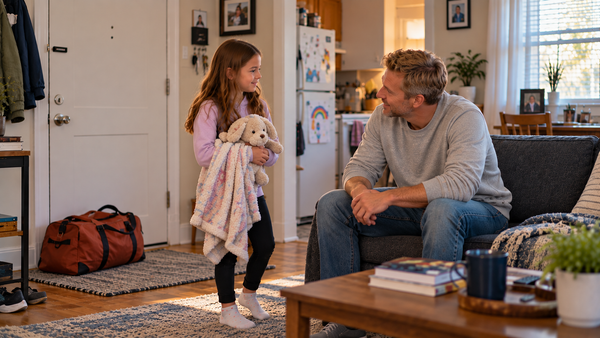
At some point, weekends can start to feel different.
Your kids get older.
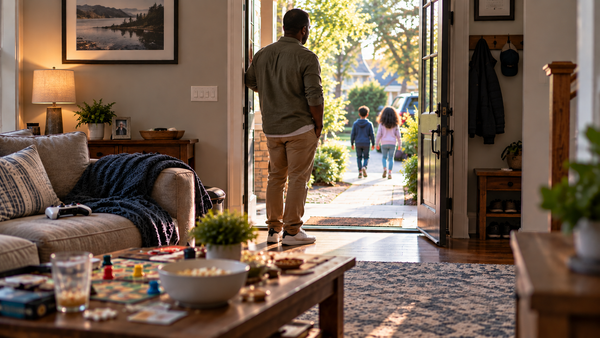
They have more opinions about what they want to do. More friends. More interests that don't necessarily include you. More time spent on their phones, games, homework, or whatever else has their attention.
The things that used to bring you together may not work the same way anymore.
That can feel like distance.
But a changing relationship doesn't necessarily mean a disappearing one.
Sometimes staying connected means allowing the way you connect to change.
What This Helps With
When you already feel like your time together is limited, it's natural to notice when your kids seem less interested in doing things with you.
You may find yourself trying harder.
Planning more.
Asking more questions.
Suggesting activities that used to work.
Trying to get everyone together because you don't want to waste the time you have.
But older kids often need something different.
They may want more independence without wanting less of a relationship with you.
This Blueprint is about giving them some of that independence while continuing to make room for connection.
You don't have to hold on tighter just because the relationship is changing.
Anchor Activity: Give Them Part of the Weekend
Instead of planning everything yourself, give your kid ownership over one small part of the time.
Not:
“What do you want to do this weekend?”
That's a big question—and “I don't know” may be the easiest answer.
Make it more specific.
Try:
“You pick where we get lunch today.”
“You've got two hours this afternoon. What should we do?”
“Pick something you want us to watch tonight.”
“Is there somewhere you want to go while we're out?”
The answer doesn't need to become an elaborate activity.
Maybe they choose a restaurant.
A store.
A movie.
A coffee or ice cream stop.
A game.
A drive somewhere.
Or something you never would have picked yourself.
Let them have some say in what the time looks like.
You don't need to make their choice more interesting.
Giving them some ownership is the activity.
Backup Plan: Make the Ask Smaller
Sometimes even choosing part of the weekend feels like too much.
Make the decision smaller.
Instead of asking them to come up with something, give them two easy choices.
“Want to grab something to eat or stay home?”
“Walk with me or come for a drive?”
“Movie or game?”
“Want to come with me or hang here?”
Smaller choices require less effort and still give them some control.
And if the answer is still “neither,” don't immediately take it personally.
They may be tired.
They may want time alone.
They may be talking to friends.
They may simply not feel like doing something with you right then.
You can leave the invitation open without turning it into a test of the relationship.
An invitation doesn't have to be accepted to be worth making.
Zero-Prep Option: Let Them Be Near You Without Performing
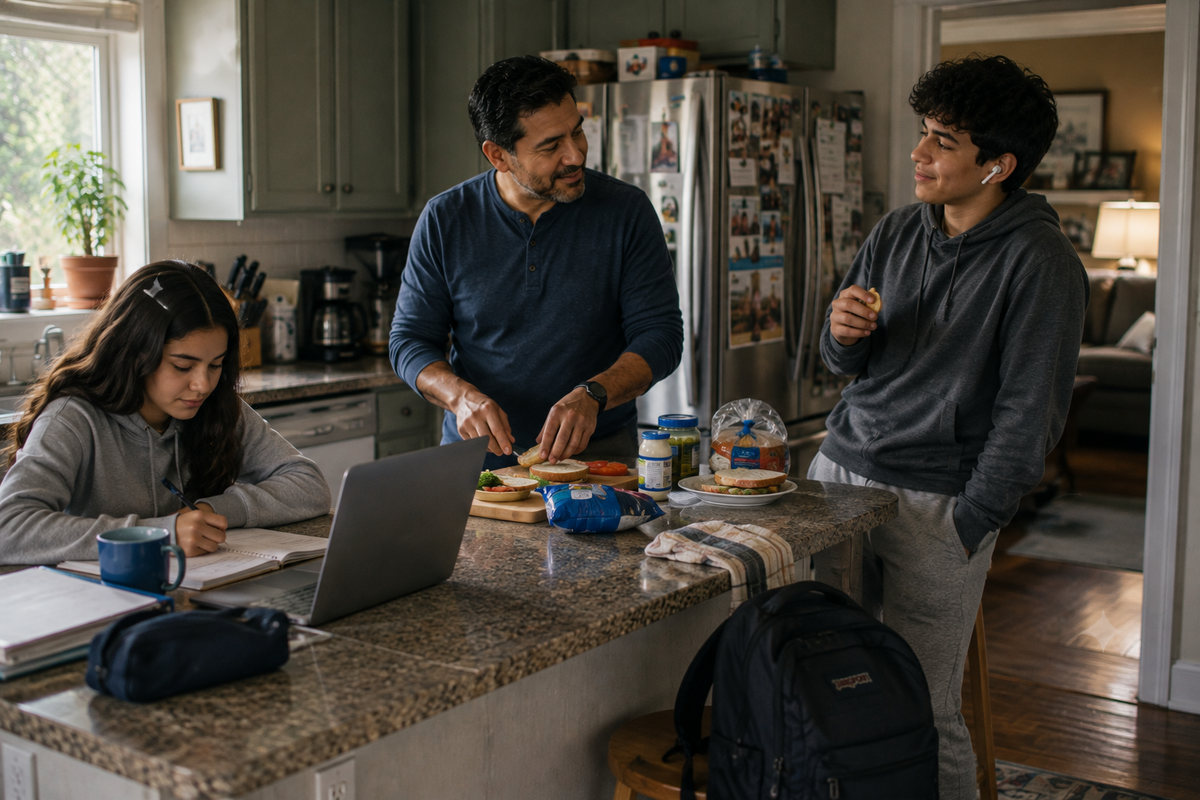
Sometimes connection with an older kid looks like almost nothing.
They're on the other end of the couch looking at their phone.
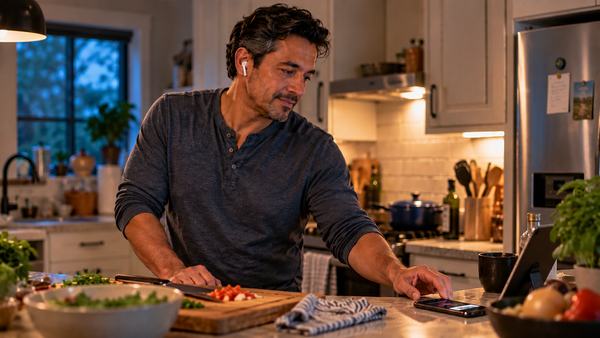
They're doing homework while you make dinner.
They wear earbuds while they come along on an errand.
They appear in the kitchen for ten minutes, talk about something completely random, and disappear again.
Let some of that count.
You don't always need to turn proximity into a conversation.
You don't have to ask a series of questions because they're finally in the room.
And you don't need every shared moment to become quality time.
Stay available.
Say something when it feels natural.
Listen when they decide to talk.
Let quiet be quiet.
Connection doesn't always look like engagement. Sometimes it looks like comfort.
Reality Note
Giving your kids more independence doesn't mean disappearing yourself.
Keep making invitations.
Keep asking occasionally.
Keep showing interest.
Keep creating opportunities to do something together.
Just don't require them to respond with the same enthusiasm—or the same kind of closeness—they may have shown when they were younger.
There may also be times when you genuinely feel disconnected.
Don't dismiss that feeling.
But don't use one quiet weekend, one closed bedroom door, or one rejected invitation as proof that the relationship is slipping away.
Look at the larger pattern.
Are you still available?
Are you still interested?
Do they know they can come to you?
Are you continuing to make room for them without demanding that they fill it every time?
Give them space without removing yourself from the relationship.
Why This Works
As kids get older, independence is part of growing up.
That can be especially difficult when your time together already feels limited.
Your instinct may be to plan more.
Ask more questions.
Try harder to get everyone together.
Or hold on to routines that worked when they were younger.
But staying connected doesn't always mean preserving the old version of the relationship.
Give them more say.
Make smaller invitations.
Stay interested without demanding their attention.
Notice the moments when they do choose to connect—even when those moments are brief.
And keep creating space where they don't have to perform closeness for you to know the relationship is still there.
The goal isn't to stop reaching for them.
It's to leave enough room for them to reach back in their own way.
The Point
Your relationship with your kids is supposed to change.
The way they needed you at six may not be the way they need you at sixteen.
That doesn't mean you become less important.
It means the relationship has to make room for who they're becoming.
Keep inviting.
Keep listening.
Give them some independence.
And don't measure connection only by how much time they spend actively engaging with you.
Sometimes closeness looks different before you realize it's still there.
Get the Next Blueprint
Want more practical ways to make the time you have count?
Get new Weekend Blueprints, connection ideas, and simple plans from Every Other Weekend.